

Real estate transaction management software can shape how agents prepare forms, collect signatures, organize documents, collaborate with their teams, and keep transactions moving toward closing. With so many responsibilities tied to the platform, choosing the right one for your brokerage or organization means looking beyond a simple list of features.
The best fit will depend on how your agents or members manage transactions today, where their current processes create extra work, and who needs to use the system. Ease of adoption, integrations, support, and overall cost matter alongside the tools themselves. Knowing what to evaluate can help you choose a platform that supports your organization’s needs without adding another layer of complexity.
Evaluate Your Current Transaction Workflow
Before choosing a new platform, it helps to look at how transactions are currently managed across your brokerage or organization. Your agents may already have tools that work well in certain areas, while other parts of the process create more work than they should. Knowing where those slowdowns happen makes it easier to choose software that addresses the right problems.
Where Are You Losing Time?
Think about the parts of a transaction that tend to take up more time than expected. Agents may be re-entering the same property details, searching through folders for documents, or moving files from one platform to another. Those everyday frustrations can help you identify which features would make the biggest difference for your agents or members.
How Many Tools Are You Already Using?

It’s common for real estate professionals to build their tech stack one tool at a time. Before long, agents may be using separate platforms for forms, eSignatures, storage, tasks, and communication. If your agents are constantly switching between systems, it may be worth looking for a platform that brings more of that work together and reduces the need for overlapping subscriptions.
Who Needs Access to Transaction Information?
Transactions often involve more than one person behind the scenes. Agents, transaction coordinators, assistants, and brokers may all need access at different points, but not necessarily to the same information or level of control. Consider who needs to view, edit, or review transaction details across your organization and whether your current setup makes that easy.
Look for the Features That Support Your Day-to-Day Work
A strong transaction management platform should make everyday work easier for your agents and staff, not force them to rebuild their processes around the software. When comparing options, focus on the features they rely on most during a transaction and how well those tools work together.
- Digital Real Estate Forms: Can users quickly access the forms they need most, complete them within the platform, and keep them linked to the right transaction? It’s also worth asking how form updates are handled so agents aren’t left searching for the latest version.
- eSignatures: Are electronic signatures built into the transaction workflow, or will users still need a separate signing platform? Integrated eSignatures can reduce file transfers and keep completed documents tied to the transaction.
- Document Storage: Can contracts, disclosures, signed forms, and supporting documents remain securely organized with the deal? Centralized storage should make it easy for authorized users to find records during the transaction and after closing.
- Tasks and Checklists: Can agents keep required documents, deadlines, and outstanding tasks connected to the transaction? Even when some tasks are marked complete manually, having them in one place makes it easier to see what still needs attention.
- MLS Integration: Can listing data flow into transaction forms to reduce repetitive entry? A strong MLS integration can save agents time and help keep property information consistent across documents.
- Team Collaboration: Can agents, transaction coordinators, assistants, and other authorized users work from the same transaction? Look for permission controls that let each person access the information they need without giving everyone the same level of control.
- Broker Review: Can brokers create review processes that fit the way their brokerage operates? The platform should make it easier to review files, identify outstanding documentation, and support accuracy and completeness across transactions.
- Cloud-Based Access: Can users securely access their transactions when they’re away from the office? Real estate work happens everywhere, so the platform should be available when agents and staff need it.
- Training and Technical Support: What happens when an agent or staff member gets stuck? Look for live training, helpful educational resources, and responsive technical support so your organization has reliable assistance when questions come up.
Consider How Easy the Platform Will Be to Adopt
A platform can have every feature on your wish list, but that matters less if agents and staff struggle to use it. As you compare options, consider what the experience will be like for the people who rely on the software every day and how easily your organization can make the transition.
Is the Workflow Easy to Learn?
Pay attention to how intuitive the platform feels from the start. Agents should be able to find forms, documents, tasks, and transaction details without navigating a maze of menus. An uncomplicated workflow can make the transition easier for both experienced users and agents who are less comfortable with new technology, helping your organization encourage adoption across different skill levels.
Can Agents Complete Common Tasks Without Extra Steps?
Consider how many steps it takes for agents to handle common tasks, such as preparing a form, sending it for signature, finding a document, or checking what still needs attention. If simple tasks require jumping between screens or separate systems, those extra steps can quickly become frustrating when repeated across multiple transactions. A platform that keeps these activities connected can make everyday work easier for agents and their support teams.
What Training and Support Are Available?
Even an easy-to-use platform comes with a learning curve, especially when introducing it to a large group of agents or members. Find out what resources are available to support onboarding and ongoing use, whether that means live training, self-service resources, or access to knowledgeable technical support. Reliable assistance can make adoption smoother and reduce the burden on your organization’s internal staff.
Think About the Needs of Your Entire Organization
The people using real estate transaction management software may have very different responsibilities. An agent preparing an offer has different needs than a broker reviewing files or an association supporting thousands of members. As you compare platforms, consider how well each option supports the different users and responsibilities within your organization.
Individual Agents and Teams
For agents, the platform should make everyday transactions easier to manage. That includes preparing forms, collecting signatures, keeping documents organized, and seeing what still needs to be done. Teams may also need shared access so assistants or transaction coordinators can step in without relying on forwarded emails or duplicate files. Look for a system that supports collaboration while giving your agents control over who can access each transaction.
Brokers and Brokerage Staff
Brokers often need a broader view of what’s happening across the business. In addition to supporting agents, they may be responsible for reviewing transaction files, tracking required documentation, and maintaining consistent processes across the brokerage. When evaluating a platform for your brokerage, consider whether it provides the visibility and controls needed to manage these responsibilities without creating unnecessary extra work for agents.
Associations and MLSs
Associations and MLSs have another set of priorities, especially when offering a transaction management platform as a member benefit. Ease of use matters, but so do scalability, onboarding, training, and ongoing support, and most importantly, access to proprietary forms. Consider whether the provider can accommodate your membership, keep forms accessible and up to date, and offer reliable assistance when members have questions. The right platform should be practical for individual members while also being manageable for your organization.
How Form Simplicity Meets These Priorities
Form Simplicity was created by Florida REALTORS® with the day-to-day needs of real estate professionals in mind. The platform brings forms, transaction organization, eSignatures, collaboration, and broker tools together in one place, helping organizations provide their agents and members with a more connected way to manage transactions.
With training and support available through Tech Helpline, users also have access to real people when they need help. Whether you’re managing a brokerage, supporting a network of agents, or evaluating technology for an association or MLS, Form Simplicity is built to support your organization’s needs and the professionals who rely on it.
Easy-to-Use Transaction Workflow
Form Simplicity keeps forms, documents, signatures, tasks, and transaction details together, giving agents and staff one place to manage their work from contract to close. This allows your organization to provide a more consistent transaction experience without requiring users to piece together a process across multiple platforms.
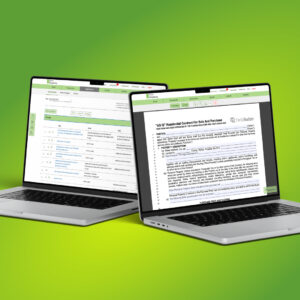
Forms and MLS Autofill
Agents can access their real estate forms within Form Simplicity and use MLS data where available to populate transaction information, reducing the need to enter the same property details repeatedly. For brokerages and associations, this means offering agents and members tools that make document preparation easier while helping keep information consistent throughout the transaction.
Built-In Sabal Sign
Form Simplicity Ultimate Edition includes Sabal Sign, allowing agents to prepare and send documents for electronic signature without leaving the transaction workflow. Signed documents can remain connected to the transaction, helping your organization reduce the need for separate signing platforms and the extra steps involved in moving files between systems.
Secure Transaction Organization and Cloud Storage
Transaction documents can be stored and organized within Form Simplicity, giving agents, brokers, and other authorized users a central place to access files associated with each deal. Cloud-based access also allows your agents and staff to retrieve the information they need whether they’re working from the office or on the go.
Team Sharing and Permission Controls
Form Simplicity supports collaboration between agents, assistants, transaction coordinators, and other authorized users. Sharing and permission controls allow team members to work from the same transaction while giving brokerages control over who can access or manage specific information. This makes it easier to support different roles and responsibilities across your organization.
Customizable Broker Review
Brokerages can build review processes around their own requirements rather than relying on a one-size-fits-all workflow. Form Simplicity gives brokers tools to review transaction files, track required documentation, and establish more consistent processes across their teams. This can help your brokerage maintain oversight while giving agents clearer expectations for submitting and managing transaction documents.
Professional Forms Programming for Brokerages
Brokerages with their own forms can also take advantage of professional forms programming services. Custom brokerage forms can be programmed for use within Form Simplicity, making them easier for agents to access and complete as part of their regular transaction workflow. This allows your brokerage to incorporate its own documentation into the platform without requiring agents to manage those forms separately.
Schedule a Demo of Our Real Estate Transaction Management Platform
Choosing real estate transaction management software means finding a platform that works for your organization and the people who depend on it. Form Simplicity brings forms, eSignatures, transaction documents, tasks, collaboration, and broker review together in one uncomplicated workflow, helping brokerages and associations provide their agents and members with the tools they need to manage transactions more efficiently.
See how Form Simplicity can help your organization create a more connected transaction experience. Schedule a demo to explore the platform, ask questions, and see how it could fit into your current processes. Demos are available to eligible brokerages, real estate associations, MLS organizations, and other groups that support multiple agents.